

How Do You Prevent Clogged Drains After a Cleaning, According to a Palm Coast Customer Who Went Three Years Without a Callback?
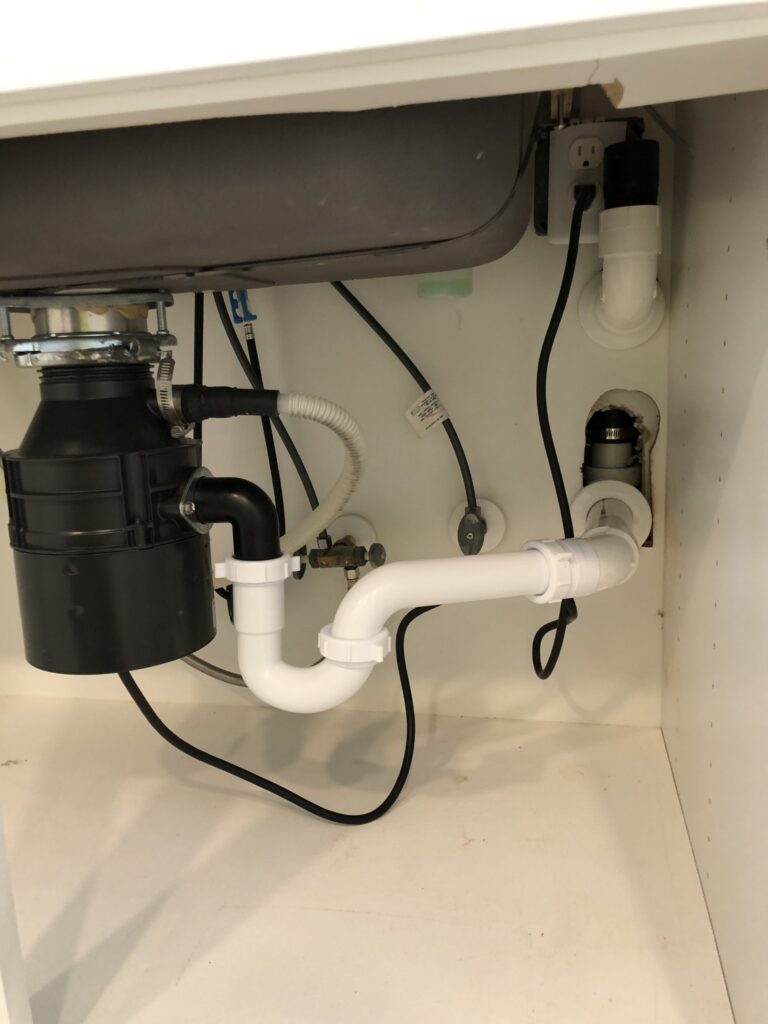
- Three years without a callback after a jetting is not luck. It was strainers, a grease jar, an enzyme habit, a monthly hot-water flush, and a yearly root treatment on the one line near an oak.
- The houses that call me back have the same two things in common: a garbage disposal used as a trash can, and flushable wipes.
- The products I leave behind after a job are cheap and boring. That is the point.
- Maintenance keeps a clean line clean. It does not fix a bad joint or a belly, and it will not save a line that was never cleared properly.
The situations described here are composites drawn from the types of jobs and decisions we encounter regularly. Names and specific figures are illustrative.
I was in Matanzas Woods for a water heater flush, and the homeowner mentioned, almost as an aside, that the kitchen sink had not slowed once since I jetted her main three years earlier. Before that jetting she had been on a first-name basis with two other plumbers. I asked if I could sit at the kitchen table for ten minutes and write down what she did differently, because the question of how to prevent clogged drains once they have been cleared is one I answer every week, and I would rather answer it with a house that proved it than with a list.
This post is that conversation. Five habits, in the order she adopted them, and the honest note at the end about what habits cannot do.
Where she started: a jetted line and a bag of products
Three years earlier the kitchen line had a grease sleeve and the main had paper caught on a rough transition. I jetted both, ran the camera to confirm, and left what I leave in every house after a drain job: two sink strainers, a quart of enzyme drain maintainer, and a two-minute talk. The line was clean. Most of my callbacks come from houses where the line was clean on the day I left and dirty again in a year, so the talk is the part I care about.
Habit one: the strainers stayed in
The kitchen strainer is a fine mesh basket in the sink drain. The bathroom ones are silicone hair catchers in the tub and shower. She said the first week was annoying because the kitchen one needed emptying twice a day, and then she realized that everything in it would have been in the pipe. Rice, coffee grounds, the ends of vegetables. Bathrooms catch hair, which is the single most common thing I pull out of a tub drain in Palm Coast. The Cast Iron Soil Pipe Institute[1]‘s guidance on drain maintenance is written for commercial systems, but its first recommendation is the same one: keep solids out at the source, because everything downstream is easier.
Habit two: the grease jar
A coffee can under the sink for bacon fat, pan drippings, and the oil from anything fried. When it is full it goes in the trash. This is the habit that made the biggest difference on the kitchen line, and it is the one people resist most because hot grease looks like a liquid. It is a liquid at 300 degrees and a solid at 70, and the inside of a drain line is 70. Grease that goes down hot coats the pipe as it cools, and the coating catches everything that follows. The sleeve I jetted out of her kitchen line three years ago was mostly this, and the version of that story where nobody changed the habit is the post on why a Palm Coast kitchen line needed jetting after two snakings.
Habit three: the disposal is not a trash can
She still uses the disposal, for the small stuff that gets past the strainer. What does not go in: fibrous vegetables like celery and corn husks, which wrap the impeller; starches like rice and pasta, which swell in the line; coffee grounds, which settle in the trap; and eggshells, which grind into a grit that sticks to grease. Those four items are behind most of the kitchen callbacks I take. The houses that never call me have a disposal that handles crumbs and a trash can that handles food.

Habit four: the enzyme bottle and the hot-water flush
Once a month, a measured dose of the enzyme product down the kitchen sink at night, when the line will sit undisturbed until morning. Enzyme and bacterial drain maintainers do not dissolve anything; they seed the pipe with organisms that eat the organic film slowly, which is the opposite of a caustic cleaner, and the reason I explain in the post on what a bottle of Drano a month did to a cast-iron drain in Palm Coast. She also runs the hot tap for a couple of minutes into each bathroom sink monthly. On PVC and on Palm Coast’s hard water, which UF/IFAS Extension[2]‘s home water quality series describes for the mineral load, the hot flush keeps soap scum from bonding to the mineral scale that forms in every drain here. It is not dramatic. It is a few minutes a month.
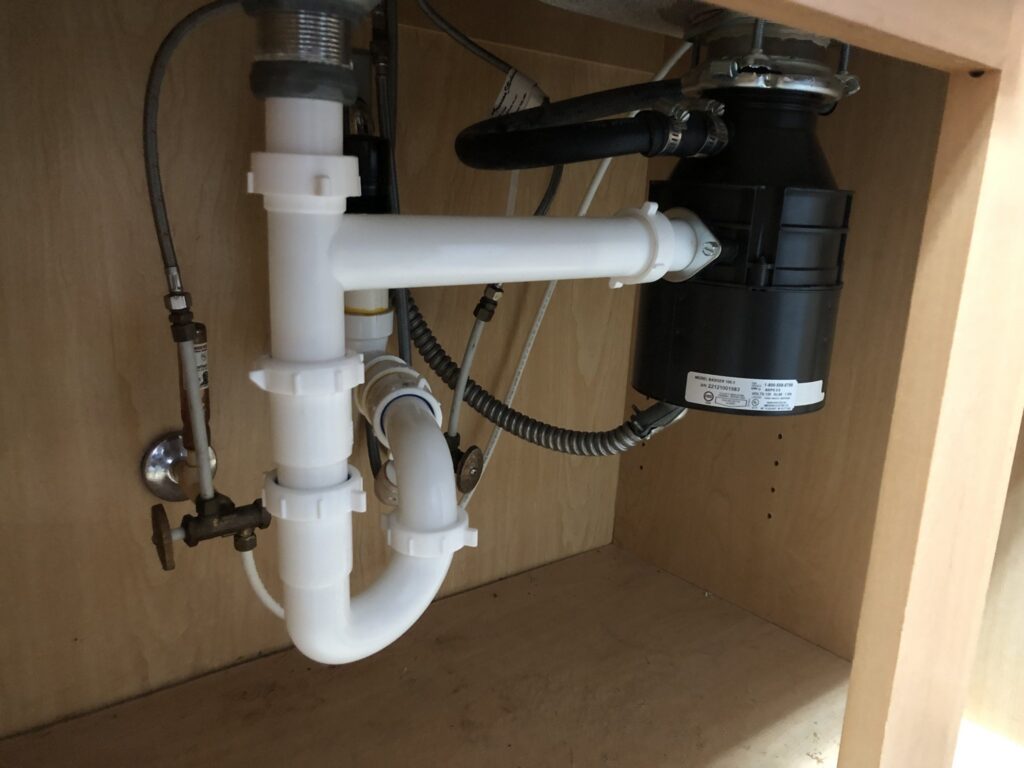
She asked whether the EPA WaterSense[3] fixtures the house came with had anything to do with the drains. They do, in one way: low-flow fixtures move less water per use, so a drain line carries the same solids with less flow to push them. That makes the strainers and the grease habit more important in a newer house, not less.
Habit five: the root treatment on the one line that needed it
Her main runs under a side yard with a laurel oak. The camera three years ago showed a clean line and fine roots at one joint, which I cut. Once a year since, she has had a foaming root treatment applied through the cleanout, which coats the pipe wall and kills the root hairs that try to re-enter. It has not needed a cable. That is the maintenance version of the story in the post on tree roots at 42 feet under a Palm Coast driveway: a joint that is monitored and treated stays a joint; a joint that is ignored becomes a Thanksgiving. The treatment is a short visit under the $96 service call, and the cleanout is what makes it possible; her house has one, and I explain what to do if yours does not in the post on why a sewer cleanout installation turned a two-hour emergency into twenty minutes.
The two things she does not do, which are the two things that matter most
No flushable wipes. They are flushable in the sense that they leave the bowl. They do not break down in the line the way paper does, and they are the material I find wrapped around roots and caught on transitions more than anything else. If a wipe has ever been flushed in a house, I assume there are more in the line. And no chemical drain cleaner in the cabinet, for the reasons in the Drano post. The two houses on her street that have called me in the last year both had wipes in the line and a bottle under the sink. The pattern is that consistent.
What the habits cannot do
I want to be careful here. Maintenance keeps a clean, sound line clean. It does not repair a belly, seal a moved joint, or restore a cast-iron line that has thinned. If her camera three years ago had shown a belly, the enzyme bottle would not have helped and I would not have suggested it as a solution. A line that keeps clogging despite the habits above has a reason, and the reason is on the screen, which is why the camera decides the fix, as in the post on what a sewer camera inspection costs in Palm Coast and when it is worth it. And the early warning that something structural is developing is the same sound described in the post on why a toilet gurgles when the shower runs; if the habits are in place and the gurgle starts anyway, that is a call, not a bottle. The full sequence of warnings, if the call gets put off, is the post on the main sewer line clog signs a Flagler County family ignored.
What people ask about keeping drains clear
How do I keep them from clogging? Strainers, a grease jar, a disposal used for crumbs only, an enzyme dose monthly, and no wipes. That is the list.
Are flushable wipes safe? No. They are the most common thing I find in a blocked main.
How often should drains be cleaned professionally? A sound line with these habits: rarely, maybe a camera check every few years. A line near a large tree: a yearly root treatment through the cleanout.
What should never go in a disposal? Fibrous vegetables, rice and pasta, coffee grounds, eggshells, and grease.
Do enzyme cleaners work? For maintenance on a clean line, yes, slowly. For an existing clog, no. They are the opposite of a caustic product in both speed and effect.
The three houses in the full guide to clogged drains in Palm Coast homes, built from three houses on one street each got a version of this list on the way out. Two of them kept it. The one that did not is the one I hear from.
What I wrote down at her table
Five habits, two prohibitions, one annual visit. None of it costs more than a few dollars a month or takes more than a few minutes. Three years, no callback, on a house that had two plumbers on speed dial before. The drain line did not change. What went into it did.
If you want to prevent clogged drains after a cleaning, start with the strainers and the jar. Our drain cleaning and clogged drain service in Palm Coast leaves both behind after every job, and the $96 service call covers the yearly root treatment if your line needs one.