

How Much Does a Sewer Camera Inspection Cost in Palm Coast, and When Is It Money Well Spent?
- A sewer camera inspection in Palm Coast runs a few hundred dollars as a standalone service and is usually credited against the work when it leads to a repair.
- On a 1985 home, it found an offset joint and a belly that no general inspection could see. The seller credited the repair at closing.
- The three situations where I tell people to skip it: a new PVC line with no symptoms, a line that was scoped in the last year, and a known collapse that is going to be dug regardless.
- The camera is not the expensive part of a sewer problem. Not knowing is.
The situations described here are composites drawn from the types of jobs and decisions we encounter regularly. Names and specific figures are illustrative.
He was under contract on a 1985 single-story in Palm Coast’s R-section, two days from the end of his inspection period, and his home inspector had written the plumbing section the way they all do: fixtures functional, no visible leaks, sewer line not inspected. His agent suggested a scope. He called to ask what a sewer camera inspection cost in Palm Coast would be and whether it was one of those add-ons that finds something every time so the plumber can sell a repair. Fair question. I told him what it cost, what it would show, and that about one in four scopes on houses of that age finds nothing worth a second look. His did not turn out to be one of those.
This post follows that inspection, then lays out the price, what the camera shows and does not, and the three situations where I tell people to keep their money.
What the camera is, and what it is not
The camera is a self-leveling head on a stiff push cable, with lights, a distance counter, and a transmitter that a locator on the surface can find. It goes in through a cleanout, or through a pulled toilet if there is no cleanout, and it records everything from the house to the city tap or the septic tank. It shows pipe material, joints, roots, offsets, bellies where the line has settled and holds water, cracks, scale, and the condition of the transition to the city lateral.
It does not show what is behind the pipe wall, it cannot see through standing water in a full belly, and it cannot tell you how much life a pipe has left in years. The InterNACHI sewer-scope inspection standards[1], which most home inspectors who offer scopes work from, are explicit that a scope is a visual condition report, not a warranty. I say the same thing before I start.
What it found at 31 feet, and at 48
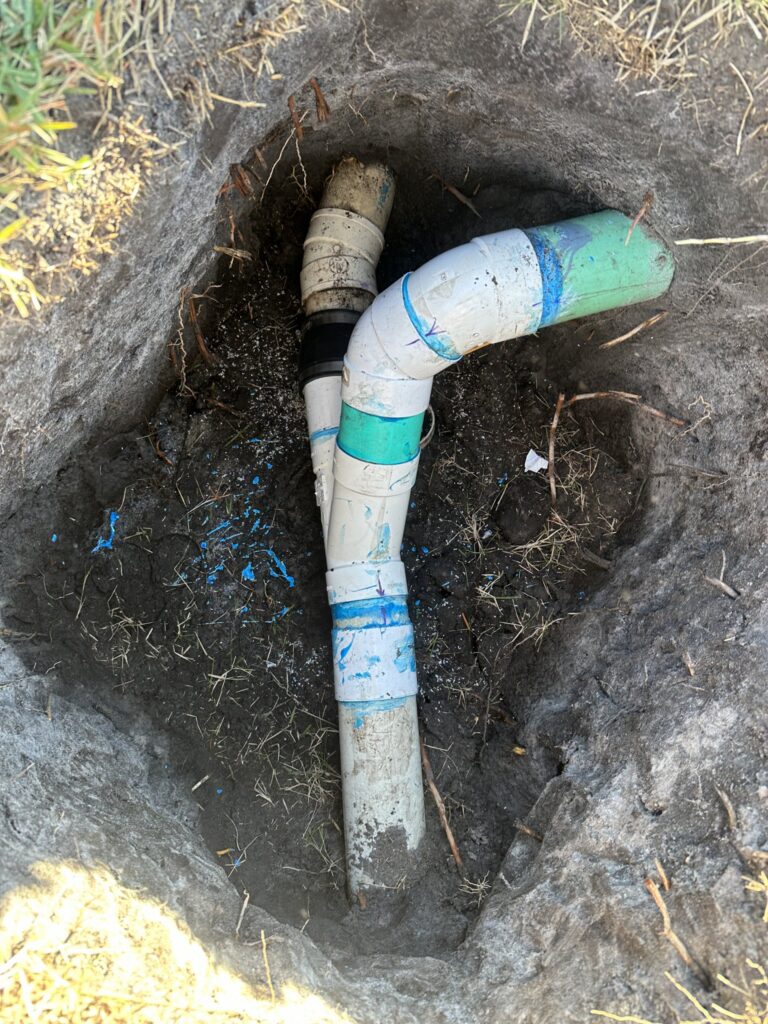
I ran it from the exterior cleanout, which this house had, toward the street. The first 30 feet were cast iron under the slab, scaled but sound, with the rough texture that pre-1990 Palm Coast lines have. At 31 feet, where the cast iron met the PVC that someone had used to repair a section in the yard, the joint was offset about half an inch: the PVC sat lower than the cast, and the lip was catching paper. At 48 feet, in the yard, the camera went underwater for six feet and came back out. That is a belly, a section of pipe that has settled in the sand and holds water, and in Palm Coast’s soil it is the most common defect I find on lines that have been in the ground thirty years or more.

Neither of those would ever appear on a general inspection. Neither was causing a symptom yet; the house had been vacant and lightly used. Both would have been a backup within a year of a family moving in, and both were under a yard that the buyer was about to own.
What the report changed
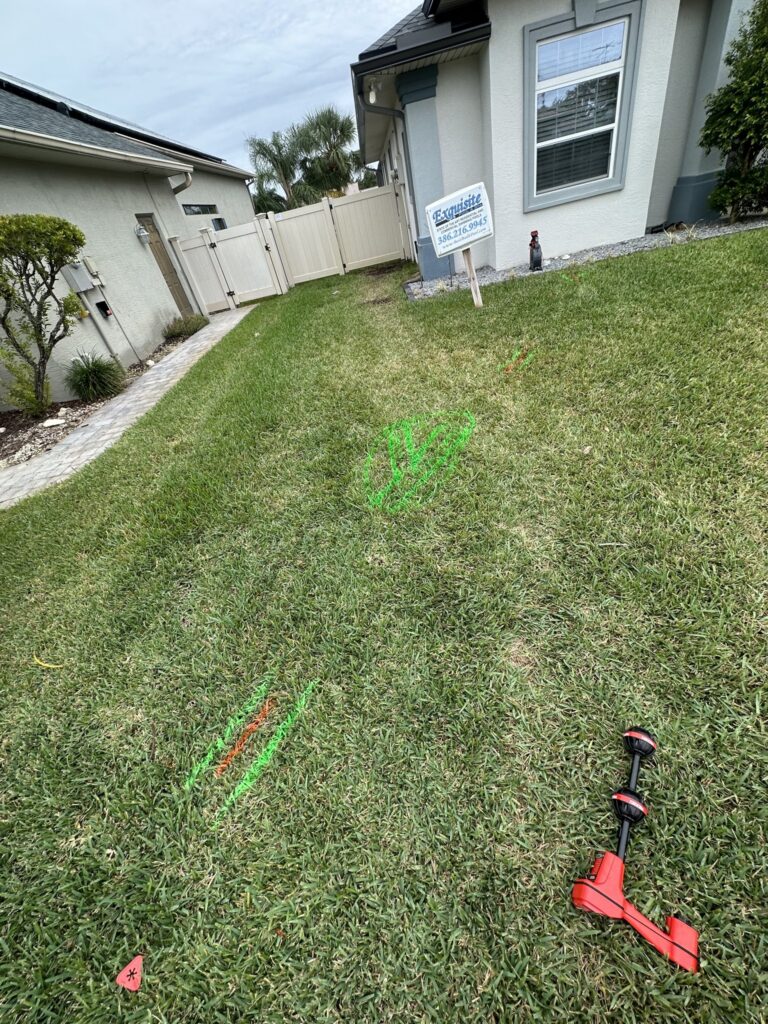
I gave him the recording, the locator marks on the lawn, and a written estimate for a spot repair at the offset joint and a re-bed of the bellied section. His agent took it to the seller with the video. The seller credited the repair cost at closing. The scope had cost him a few hundred dollars and had turned a problem he would have discovered the hard way into a line item someone else paid for. That is the common outcome on a pre-purchase scope that finds something, and it is why I take so many of these calls from agents.
It is also why I tell buyers to scope before the inspection period ends rather than after closing. After closing, the same finding is your bill. The Flagler County Property Appraiser[2]‘s records show the year built for any parcel, and my rule for buyers is simple: anything before about 1995, scope it. Palm Coast’s ITT-era construction from the 1970s and 80s put cast iron under a lot of slabs, and the Palm Coast Historical Society[3]‘s material on that development period is a good background read on why so much of the city was built the same way in the same few years.
What it costs here, honestly
A standalone sewer camera inspection in Palm Coast, with a recording and locating, generally runs in the range of a couple hundred to a few hundred dollars depending on the length of the line, whether a toilet has to be pulled to access it, and whether the plumber is also cleaning the line on the same visit. Mine is on the lower end of that range as a standalone, and when the scope turns into a cleaning or a repair, the $96 service call applies to the work. On a pre-purchase scope with no work to follow, the fee is the fee.
Three things move the number. No cleanout means pulling and resetting a toilet, which adds time; the fix for that is a separate story in the post on why a sewer cleanout installation turned a two-hour emergency into twenty minutes. A line with a blockage cannot be fully scoped until it is opened, so a camera on a backed-up house usually pairs with a cable or a jet, which I compare in the post on hydro jetting versus snaking on a Palm Coast kitchen line. And a septic property means scoping to the tank and sometimes locating the tank, which takes longer than running to a city tap.
When I tell people to skip it
A scope is worth it when it changes a decision, and there are three situations where it does not. A house built after about 2000 with PVC throughout and no symptoms: the pipe is young and the failure modes are rare, and I would rather you spend the money on a water heater check. A line that was scoped in the last year with a clean report and no new symptoms: the picture has not changed. And a line that is already known to be collapsed or separated, where the plan is to dig regardless: the camera confirms what the excavator is about to show you anyway. Everything else, and especially anything with a symptom, gets the camera first.
The symptom cases are where it earns its fee fastest. A gurgling toilet that turned out to be a vent and a slowly filling main is the post on why a toilet gurgles when the shower runs; the camera was what separated the two. A yard that smells in the afternoon is the post on tree roots at 42 feet under a Palm Coast driveway; the camera put the roots at a specific joint and the locator put a flag on the lawn over it.
The questions buyers and agents ask
How much does it cost? A few hundred dollars standalone in Palm Coast; credited against the work if the scope leads to a cleaning or repair.
Is it worth it when buying? On anything built before the mid-1990s, yes, and it should happen inside the inspection period so the seller can be asked to credit what it finds.
What does it find? Roots, offsets, bellies, scale, cracks, and the pipe material. It does not find what is behind the wall or predict years of life.
How long does it take? Thirty to sixty minutes on a house with a cleanout. Longer if a toilet has to come up or the line has to be opened first.
Do I need one after a drain cleaning? On a recurring problem, yes; a cleaning fixes the symptom and the camera shows the cause. On a one-time clog with an obvious reason, usually not. And if drain cleaner has been going down the line, the camera is how I see what it did, which is the post on whether Drano is bad for pipes.
Every house in the full guide to clogged drains in Palm Coast homes, built from three houses on one street got the camera first, and none of the three needed the same tool afterward. That is the argument for the scope in one sentence.
What the buyer said at closing
He told me the scope was the only inspection add-on that paid for itself before he owned the house. That is the way to think about it. The camera does not cost much. The offset joint and the belly cost real money. The scope decided who paid.
If you are weighing the sewer camera inspection cost in Palm Coast against a purchase, a recurring clog, or a smell you cannot place, the answer is usually to look. Our drain cleaning and clogged drain service in Palm Coast records every scope for the homeowner, and the $96 service call applies to whatever the recording says comes next.